Zoning & legal
Can You Add an ADU in Utah? What SB284 Means for Homeowners in 2026
A new state law pushed Utah cities to open the door to backyard ADUs. Here's what actually changed, and what's still decided city by city.
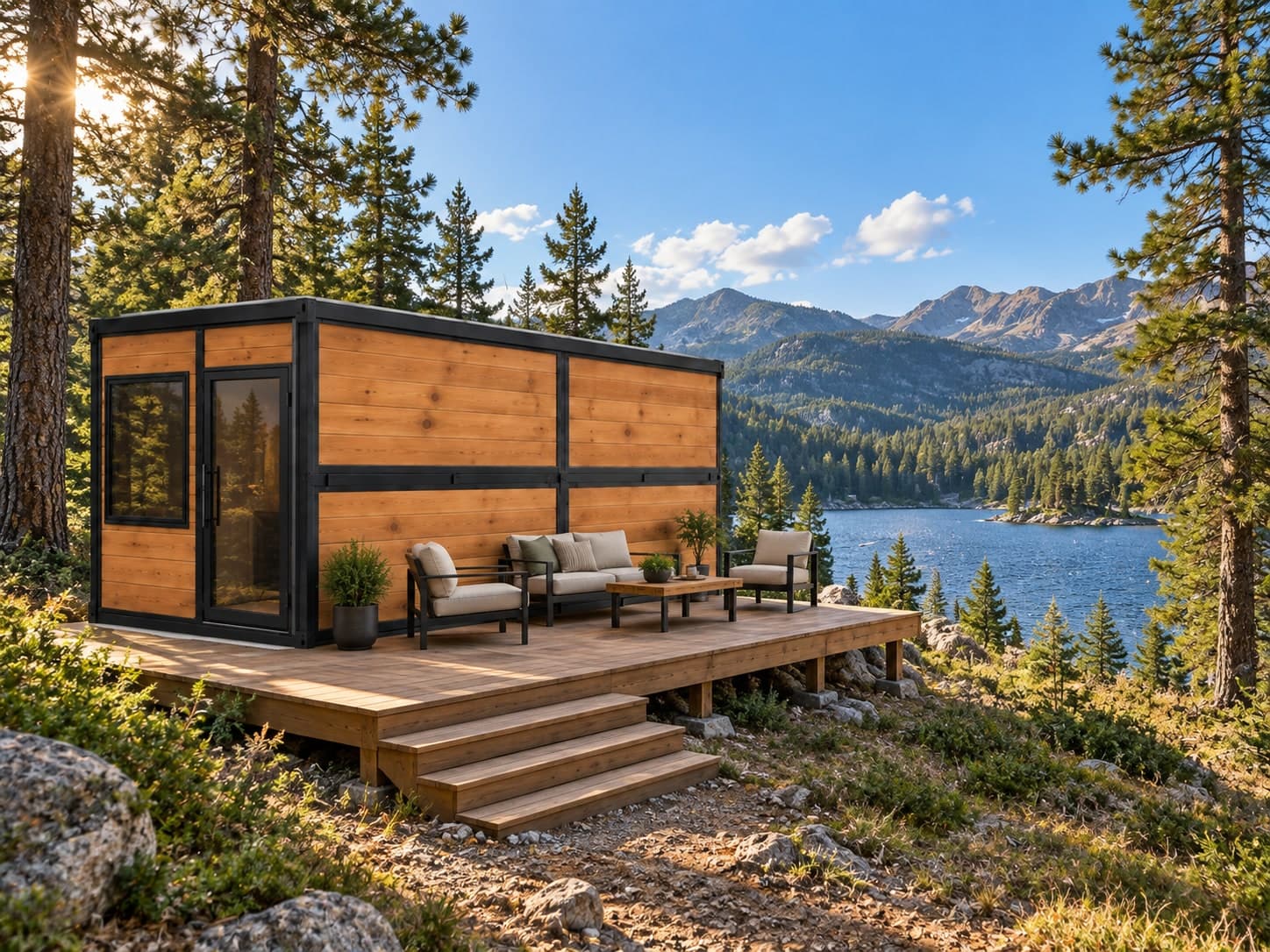
Across the country, rising housing costs have pushed cities and states to make it easier to add a small second home on an existing lot, usually called an accessory dwelling unit, or ADU. Utah is one of the latest examples: Senate Bill 284 took effect October 1, 2026, and it changes what cities in the state are required to allow.
What SB284 actually requires
SB284 applies to Utah cities with a population of 5,000 or more. For those cities, the law requires:
- Detached ADUs must be permitted on residential parcels of at least 11,000 square feet.
- Cities cannot require more than two off-street parking spaces for an ADU of 650 square feet or larger.
- Cities cannot require a conditional use permit just because the structure is an ADU.
In plain terms: if your lot meets the size minimum and you're in a city of 5,000 or more residents, your city now has to have a path for you to add a detached ADU. It can't simply say no as a matter of policy.
What's still up to your city
SB284 sets a floor, not a single statewide rulebook. Cities keep control over the details that vary the most: setbacks from property lines, maximum height and size, design and exterior-material standards, and whether the owner has to live on the property.
That means two cities twenty minutes apart can have meaningfully different rules even though both are covered by SB284. There is no substitute for calling your own city or county planning department and asking directly about ADU setbacks, size limits, and permit requirements for your address before you order anything.
Why this is happening now
Utah isn't acting alone. Across the US, the combination of post-2020 construction costs, higher mortgage rates, and a shortage of starter homes has pushed many counties and cities to treat ADUs as one practical lever for housing affordability, letting existing lots add a small second unit instead of waiting on large new subdivisions. If you're outside Utah, the same pattern is worth checking for locally: ADU rules have been loosening in many parts of the country over the past few years, but the specifics are always set at the city or county level, not nationally.
Where a foldable unit fits
A detached, factory-built unit like the X1 Foldable (160 sq ft) or the larger X3 Expandable (480 sq ft, one bedroom, one bath) is the kind of structure SB284-style rules are usually written around: it sits on its own foundation or piers, doesn't require a permanent addition to the main house, and ships ready to finish rather than being built on site over months. That doesn't mean permitting is automatic; your unit still needs to meet your city's setback, height and utility-connection rules like any other ADU. It just means the path SB284 opened is a realistic one for a unit this size.
Before you order
- Call your city or county planning department and ask what's allowed on your specific parcel: lot size, setbacks, height limits, parking, and any owner-occupancy rule.
- Ask what utility connections (power, water, sewer or septic) your ADU will need and whether your lot already has capacity.
- Talk to us about which model fits your lot and your plans. We can walk through dimensions and delivery, but the permit itself always comes from your local building department, not from us.
Frequently asked
Does SB284 apply to every city in Utah?
It applies to Utah cities with a population of 5,000 or more. Smaller cities and unincorporated county areas set their own rules, so check with your specific city or county.
Does SB284 mean I don't need a permit for an ADU?
No. It requires cities to allow detached ADUs on qualifying lots; you still need to go through your city's normal permitting process, including setbacks, height, and utility requirements.
Is a foldable unit automatically approved as an ADU?
No product is automatically approved anywhere. Approval depends on your lot, your city's zoning code, and your utility connections, so always confirm with your local planning department before ordering.